
Black Poplar (Populus nigra subsp. betulifolia)
note Populus nigra ‘Italica‘ is the Lombardy Poplar
Dibbinsdale
Group of 4 trees
1 Male and 1 Female (+1 sex not recorded) planted autumn 2011 clone types not known
1 Female tree planted in 2021 Clone 32
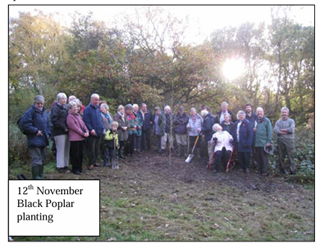
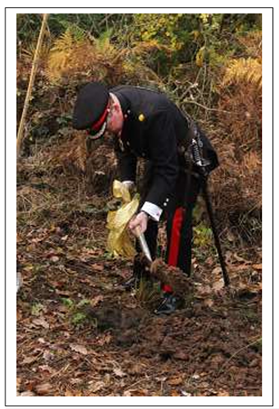
To celebrate the 40th Birthday of Cheshire Wildlife Trust
A group of Wirral Wildlife members met at Brotherton Park, Dibbinsdale on 12th November 2011 to mark the 40th anniversary of the group. Many had given 30 years or more of support. The afternoon was dry and mild and two native Black Poplars were planted. A thousand years ago Black Poplars thrived on floodplains but it is now Britain’s rarest native timber tree. In 1993 scientists warned that this great tree could be extinct by the end of the century. To reduce this risk clones from Cheshire trees have been raised at Chester Zoo with the aim of re-establishing the trees in suitable habitats.
1 Female planted winter 2021
To celebrate the 50th Anniversary of Wirral Wildlife
Location of group of trees https://w3w.co/rounds.pose.swung
Black poplar is dioecious, meaning male and female flowers are found on separate trees. Flowers are catkins (male catkins are red and female catkins are yellow-green), and are pollinated by the wind.
Only around 7,000 wild black poplars now grow in Britain and of these, only 600 are female trees.
https://www.treesandshrubsonline.org/articles/populus/populus-nigra/
Black Poplar (Populus nigra) – British Trees – Woodland Trust
Black Poplar Conservation and Propagation Initiative Denbighshire County Council
Approximately 370 mature specimens have been recorded growing in Cheshire since 1990 but they are mostly mature trees that are gradually being lost through old age. Historically male trees were planted more than females, as the females produce lots of fluffy seeds that can spoil crops or make a mess in gardens.
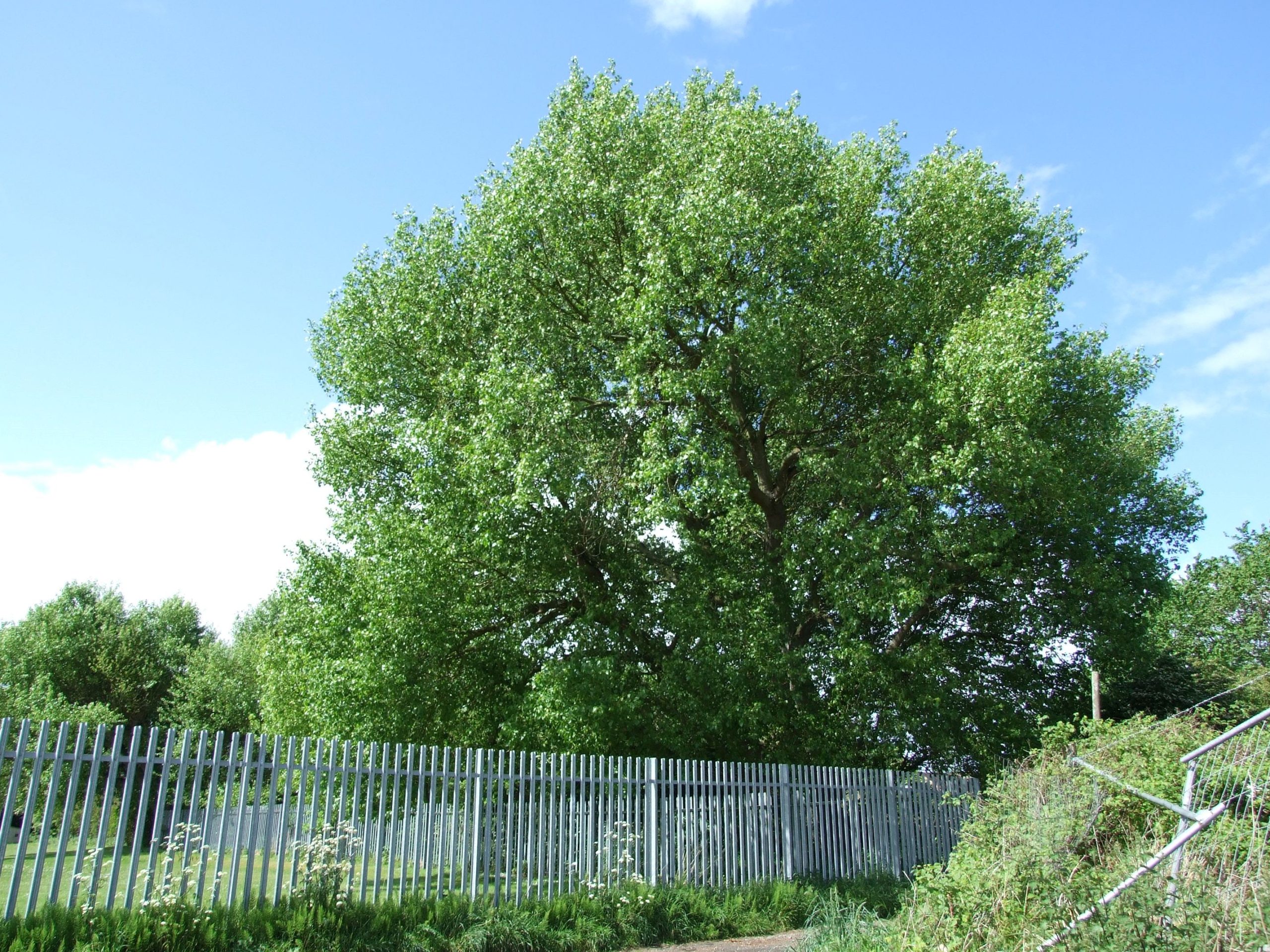
Of 105 mature Cheshire trees only 7 different clones 4 male & 3 female (clone 34 at meols) photo Hilary Ash
Black poplar trees are also called Manchester poplars. During the Industrial Revolution, many trees in Manchester died due to the air pollution but black poplar trees tolerated these conditions. In the 1930s, many more were planted as part of the ‘Unemployment Relief Works’, where local men were given the job of cycling around Manchester with poplar saplings and planting them in any green spots they could find
Field studies by Edgar Milne-Redhead have shown that P. nigra var. betulifolia is a true native of Britain south of a line joining the Mersey and the Humber
Uses of Black Poplar
Most people know of Yew being used for long bows – but did you know Black Poplar was the most common wood used in the production of arrows.
On the Mary Rose (sank 1545) 2,302 complete arrows and about 7,834 fragments where found.
Nine different species of wood have been identified within the arrows studied, but most are poplar (77%)
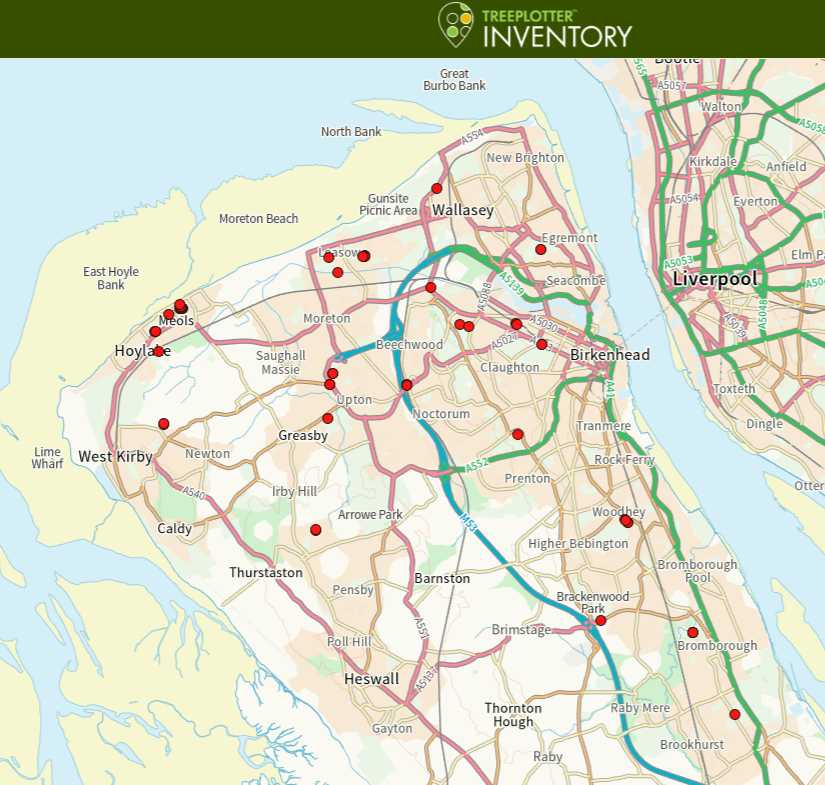
Location of Black Poplars on the Wirral
Evolutionary and Genetic Basis of Morphological Variation in Populus nigra (European black poplar) by Jennifer DeWoody, BSc, MSc
Thesis for the degree of Doctor of Philosophy
February 2011